
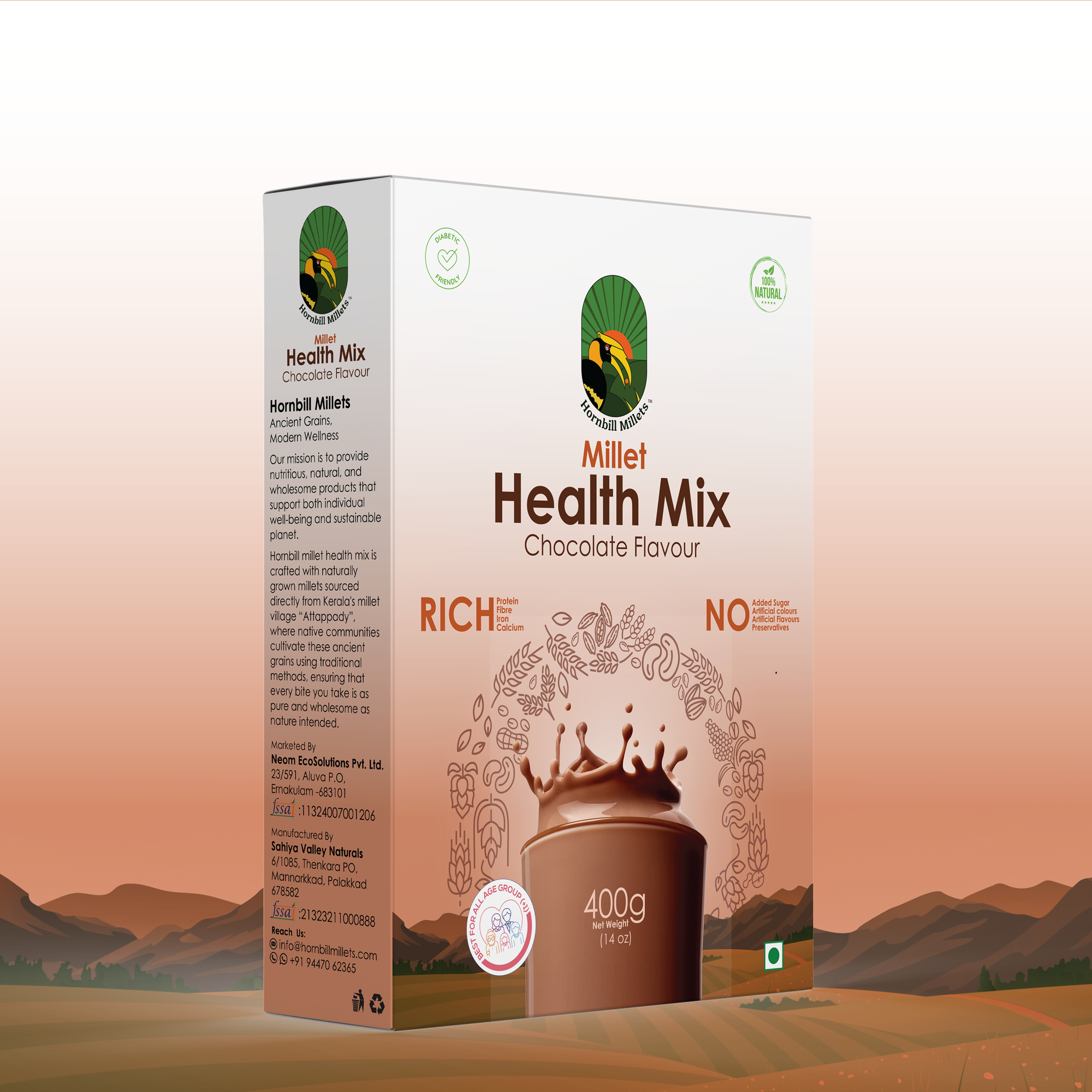
India’s food industry is booming — and packaging is no longer just a box. It’s a brand’s first handshake with a customer. Whether you’re a startup launching a spice line in Kerala or an established brand refreshing your product identity, knowing what’s trending in 2026 can be the difference between a product that sells and one that sits on the shelf.
As a package design expert based in Kochi, Kerala, I’ve worked with food brands across India and beyond — from spice pouches and snack packaging to honey jars and biryani containers. Here are the top 10 food packaging design trends I’m seeing dominate shelves and screens in 2026.
1. Biodegradable and compostable packaging
Trend 01
Sustainable materials are no longer optional
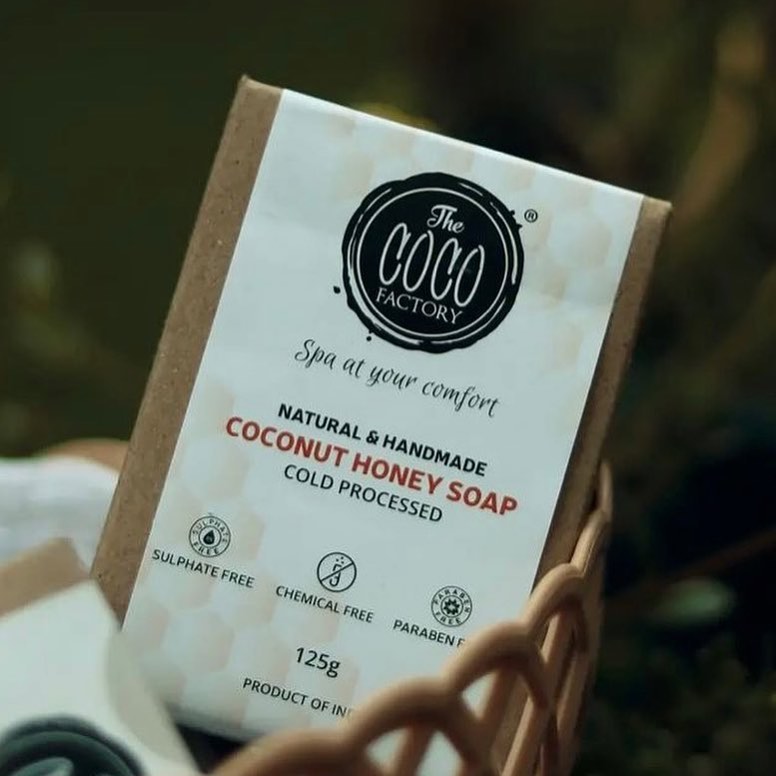
Consumer awareness around plastic waste is at an all-time high in India, especially post the 2022 single-use plastic ban. In 2026, brands are actively switching to kraft paper, bagasse (sugarcane pulp), cornstarch-based films, and plant-based laminates. Eco-friendly packaging is no longer a premium niche — it’s becoming mainstream, especially for organic and health-food brands. The visual language of sustainable packaging in India has also evolved: rough kraft textures, earth tones, and clean minimal graphics that visually communicate “natural.”
eco-friendly packaging India 2026
2. Bold, expressive typography
Trend 02
Type as the hero design element
In 2026, many Indian food brands are ditching busy illustrations in favour of type-led packaging. A single bold word — “SPICY”, “PURE”, “BOLD” — in a custom or expressive typeface can carry an entire pack’s visual identity. This trend is particularly visible in snack brands, premium masala lines, and healthy beverage brands targeting urban millennials.
typography-led packaging design
3. Vernacular and regional language labels
Trend 03
Malayalam, Tamil, Hindi—local pride on pack
One of the most exciting trends for Kerala-based brands is the rise of vernacular packaging — using Malayalam, Tamil, or other regional scripts as the primary visual element. This builds instant connection with local audiences and communicates authenticity. I’ve seen this work beautifully for traditional food products like coconut oil, pickles, rice, and spices. Combined with traditional motifs, it creates packaging that feels genuinely rooted in place.
Malayalam label design Kerala
4. Minimalist and clean label design
Trend 04
Less is more—especially in health and premium segments
The “clean label” movement — where packaging mirrors the simplicity and transparency of the product inside — continues to grow. White space, a restrained colour palette (usually 2–3 colours), and clear ingredient communication are hallmarks of this style. This works especially well for health foods, superfoods, and artisanal products where consumers want to trust what’s inside.
minimalist food packaging India
5. Resealable and functional packaging formats
Trend 05
Stand-up pouches with zip locks dominate
The standup pouch with a resealable zipper is one of the most popular packaging formats for spices, dry fruits, grains, and snacks in India right now. In 2026, we’re seeing more brands switch from rigid boxes to flexible pouches — they cost less, reduce waste, and offer a large printable surface for branding. I’ve designed several spice pouches for Kerala brands, and the feedback is consistently positive on both the shelf appeal and the convenience factor.
spice standup pouch design Kerala
6. Vibrant, maximalist packaging for youth brands
Trend 06
Gen Z-targeted food brands go loud
At the opposite end from minimalism, there’s a surge of maximalist packaging aimed at Gen Z consumers — bright neons, illustrated characters, meme-worthy taglines, and chaotic patterns. Brands like quick-service restaurants, flavoured chips, energy drinks, and instant noodles are leaning hard into this style. The goal: shelf disruption. In a supermarket, the loudest pack often wins the glance.
bold food packaging design India
7. QR codes and digital integration
Trend 07
Packaging as a digital touchpoint
Post-pandemic, QR codes on food packaging have become standard. In 2026, they’re being used not just for ingredient transparency, but to link to recipe videos, brand stories, loyalty programmes, and augmented reality experiences. For Indian food brands selling online through platforms like Amazon and Flipkart, QR codes on packaging also serve as a bridge between physical product and digital brand content.
QR code food packaging India 2026
8. Illustration-rich storytelling packaging
Trend 08
From farm to pack — illustrated origin stories
Heritage and origin storytelling is a strong trend for Indian food brands, especially in export markets. Hand-drawn illustrations of farmlands, traditional cooking scenes, or regional landscapes are used to communicate authenticity and craft. This style works beautifully for honey, spices, traditional pickles, and artisanal products. I worked on a wine bottle label for an Ooty brand that used illustrated landscapes to great effect — it immediately stood out on a shelf alongside generic competitor labels.
illustrated packaging design India
9. Portion-sized and on-the-go formats
Trend 09
Single-serve and travel-friendly packs
With more Indians eating on the go — commuters, office workers, travellers — single-serve and portion-controlled formats are growing rapidly. Sachets, mini pouches, and single-serve cups require clever design at small sizes. Good packaging design at this scale must be legible, bold, and brand-consistent even on a 5cm pouch. This is a deceptively challenging design problem, and one where working with an experienced packaging designer pays off.
single-serve packaging design India
10. Transparent and window packaging
Trend 10
Let the product speak for itself
Transparent windows—either in carton boxes or through clear pouches — are a growing trend for products where the visual quality of the food is itself a selling point. Think dry fruits, artisanal sweets, handmade chocolates, and premium cookies. In 2026, consumers increasingly want to see what they’re buying before they buy it. A window cut-out designed into the packaging structure adds both transparency and visual interest to the shelf.
window packaging design food India
Planning to redesign your food product packaging in 2026? I’m Riasnelli, a freelance package design expert based in Kochi, Kerala, with 14+ years of experience helping Indian food brands stand out on shelf and online. Contact me today to discuss your packaging project.
Frequently asked questions
What is the most popular packaging format for food products in India in 2026?
The standup resealable pouch is currently the most popular flexible packaging format for dry food products in India, particularly for spices, snacks, and grains. It offers cost efficiency, shelf appeal, and consumer convenience.
How much does food packaging design cost in Kerala?
The cost of food packaging design in Kerala varies based on complexity. A single label or pouch design by a freelance packaging designer typically ranges from ₹5,000 to ₹25,000 depending on the scope of work, number of SKUs, and revision requirements.
Is sustainable packaging more expensive than traditional packaging?
Initially, yes — sustainable materials like kraft paper, compostable films, and biodegradable laminates can cost 15–40% more than conventional plastic. However, prices have been falling as demand grows, and many brands recover this cost through premium positioning and improved brand perception.
Can vernacular language labels help my food brand sell better in Kerala?
Yes, significantly. Research consistently shows that packaging in a consumer’s native language — especially for traditional food products — increases trust and purchase intent. For brands targeting Kerala’s local retail market, Malayalam-language labels are a powerful differentiation tool.
Final thoughts
Food packaging design in India in 2026 is more exciting and diverse than ever. The best-performing brands are those that align their packaging strategy with both their product values and their target customer’s expectations — whether that’s a minimalist clean-label aesthetic or a bold maximalist shelf presence.
If you’re a food brand owner in Kerala, across India, or even internationally, and you’re looking to refresh your packaging to stay relevant in 2026, I’d love to help. Browse my packaging portfolio to see examples of my work, or get in touch directly.
Leave a Reply